A tree fell on my house — what do I do first?
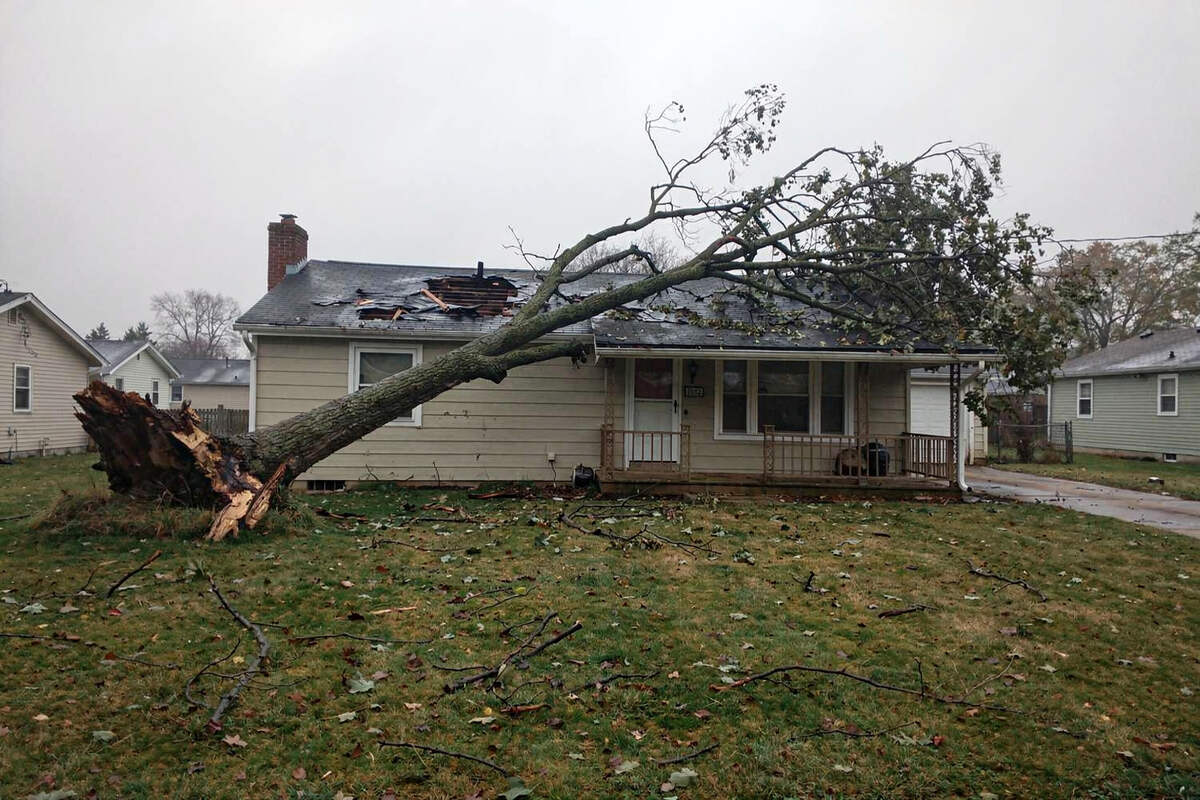
First get everyone out of the house and away from the tree. Check for a gas smell or downed power lines and call 911 if there is any doubt. Then photograph everything before it is touched, call your insurer, get the roof tarped, and hire an insured crew for removal. Emergency removal off a house typically runs $1,500–$5,000.
A tree on the house is frightening, but the order of operations is simple: people, hazards, evidence, insurer, tarp, removal, repair. Most expensive mistakes come from skipping a step, usually by letting a crew start cutting before the photos are taken or the insurer is called.
| Step | Who | Cost |
|---|---|---|
| 1. Everyone out, away from the tree | You | Free |
| 2. Check for gas smell, downed lines | You, then 911 or the utility | Free |
| 3. Photos of everything before it is moved | You | Free |
| 4. Call the insurer | You | Free; deductible $500–$2,500 applies later |
| 5. Tarp and board up | Roofer or tree service | $200–$1,000, usually reimbursed |
| 6. Remove the tree | Insured tree service, often with a crane | $1,500–$5,000; insurance pays up to $500–$1,000 per tree |
| 7. Repair the roof | Roofer | Varies; covered under dwelling coverage |
Should I leave the house after a tree falls on it?
Yes, at least until you have checked it from outside. A tree that lands on a roof is rarely done moving. Branches settle, the trunk rolls, and a roof that held the first impact can give way an hour later. Leave through a door on the side away from the tree, take pets, and keep everyone off the lawn under the canopy. Walk the outside and look for three things: a gas smell, any wire down or pulled away from the house, and a ceiling or wall that is bowing. If all three are clear and the tree is resting on an intact roof, you can go back in for essentials. Stay out of the attic and the rooms under the tree.
Do I call 911 for a tree on my house?
Call 911 if anyone is hurt, you smell gas, a power line is down or touching the tree or the house, or part of the house has collapsed. The fire department would rather come out for nothing than not come. If the tree is sitting on an intact roof, nobody is hurt, and there is no gas or line involved, you do not need 911. Call your utility if the service wire was pulled loose, then call your insurer. What to do about lines is on who removes a tree on power lines?
What are the steps, in order?
- Get everyone out and away. Leave through a door on the far side from the tree. Keep people and pets away from the tree and from under the damaged part of the roof. Do not go into the attic.
- Check for gas and power hazards. If you smell gas, leave and call 911 or the gas utility from outside. If any line is down, touching the tree, or pulled off the house, stay at least 10 ft away and call the utility or 911.
- Photograph everything. Before anything is moved, take wide and close shots of the tree on the house, the base of the tree (rot at the base decides who pays), the damage inside and out, and any lines.
- Call your insurer. Open a claim, ask what they need, ask whether they have a contractor. Write down the claim number. Keep every receipt from here on.
- Tarp or board up. Hire a roofer or tree service to tarp the roof and board broken windows, typically $200–$1,000, or do it yourself only from the ground or a stable ladder well away from the tree.
- Hire an insured crew to remove the tree. Get proof of liability and workers' compensation insurance before anyone climbs. A tree on a house often needs a crane; expect $1,500–$5,000 all in.
- Get the roof repaired. Have a roofer check the decking and trusses, not just the shingles, and send the estimate to your insurer.
Should I call my insurance company or a tree service first?
Insurance first, once everyone is safe and the photos are taken. The adjuster will tell you what they need, usually the photos, a written removal invoice, and a repair estimate, and some insurers will send a preferred contractor. Calling the insurer first also protects you from the biggest post-storm mistake: signing a contract with a door-knocking crew that assigns your insurance benefits to them. Pay the crew yourself and get reimbursed; see how to avoid tree removal scams after a storm. What is and is not covered is on does insurance cover storm tree damage?, which follows the same rules as does homeowners insurance cover tree removal? The short version: removal is covered up to $500–$1,000 per tree because the tree hit a covered structure, and the repair is a separate item under dwelling coverage, minus your deductible.
Who tarps the roof, and does insurance pay for it?
Anyone can, and yes. Every standard policy requires you to take reasonable steps to prevent further damage, and it reimburses reasonable costs for doing so. A contractor tarp or board-up runs $200–$1,000 depending on the size of the hole and the hour. A tree service will usually tarp once the tree is lifted off, and a roofer will do it as part of the repair estimate. If you do it yourself, work from the ground or a stable ladder, never from the roof while the tree is on it, and never near a line. Keep the receipts. Then expect to wait: after a large storm every crew is booked and they triage trees on houses and lines first, so a tarped, stable roof may sit a few days. Do not pay a large premium to a stranger to be first in line; what emergency work should cost is on how much does emergency tree removal cost?
No independently confirmed professional review is on file yet.
Not yet independently reviewed. This page is general safety and insurance information, not legal or insurance advice. Follow instructions from your utility, fire department, and insurer.